Honeycomb Pancakes (Baghrir): The Traditional North African Breakfast You’ll Want to Make Again
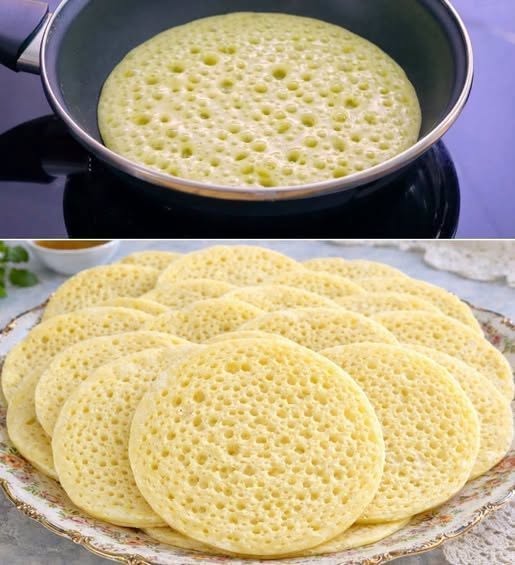
Few homemade breakfasts are as light, airy, and satisfying as Moroccan Baghrir, often called Moroccan honeycomb pancakes because of their signature surface filled with hundreds of tiny holes. These unique pancakes have been enjoyed in Morocco for generations and are loved for their soft, spongy texture that perfectly absorbs a warm drizzle of melted butter and sweet honey. Unlike traditional pancakes that are cooked on both sides, Baghrir is cooked only on one side, creating its distinctive appearance and incredibly tender bite.
Whether you’re preparing a comforting weekend breakfast, serving a special brunch, or looking for an authentic Ramadan recipe, these Moroccan pancakes are simple to make with everyday pantry ingredients. A blend of fine semolina flour, all-purpose flour, yeast, baking powder, and lukewarm water creates a smooth batter that develops countless tiny bubbles as it cooks. The result is a pancake that’s fluffy, delicate, and bursting with rich homemade flavor.
Why You’ll Love These Authentic Moroccan Pancakes
Baghrir is one of those traditional recipes that feels both impressive and surprisingly easy. Even if you’ve never prepared Moroccan food before, this recipe is beginner-friendly and requires only a blender, a bowl, and a non-stick skillet. The batter comes together in minutes and needs only a short resting period before cooking.
The magic happens once the batter reaches the hot skillet. Within seconds, dozens of little bubbles begin to appear across the surface. As the pancake cooks, those bubbles become tiny holes that give Baghrir its famous honeycomb pattern. These holes are not just beautiful—they allow melted butter and honey to soak into every bite, making each pancake incredibly flavorful and moist.
Another reason these pancakes are so popular is their versatility. While the classic topping is a mixture of butter and honey, Baghrir also pairs wonderfully with chocolate spread, fruit preserves, nut butter, fresh berries, chopped nuts, or a sprinkle of cinnamon. Whether you enjoy a simple traditional version or add your own twist, this recipe easily adapts to different tastes.
What Makes Baghrir Different from Regular Pancakes?
Although Baghrir looks similar to pancakes at first glance, its preparation and texture are quite different. Instead of relying mainly on flour, these pancakes use fine semolina flour, which gives them a slightly delicate texture and a mild, nutty flavor. The addition of yeast creates natural fermentation that helps produce the signature airy interior.
Unlike American pancakes, Baghrir batter is much thinner, similar to crepe batter or heavy cream. This consistency is essential because it allows steam and gas bubbles to escape freely while cooking. As those bubbles rise to the surface, they leave behind the tiny holes that make these pancakes instantly recognizable.
Another unique feature is that Baghrir cooks on only one side. There is no flipping involved. The bottom becomes lightly golden while the top dries naturally as the bubbles form. This special cooking method keeps the pancakes exceptionally soft and prevents them from becoming dry.
Understanding the Simple Ingredients
One of the best things about this recipe is that it relies on basic ingredients that work together to create an extraordinary result.
Fine semolina flour forms the foundation of the batter. It contributes a delicate grain texture and helps create the soft structure that Baghrir is known for. All-purpose flour balances the semolina, making the pancakes lighter and more tender.
Active dry yeast is responsible for creating the airy texture. During the resting period, the yeast activates and produces small gas bubbles throughout the batter. Baking powder provides additional lift, ensuring every pancake develops a beautiful honeycomb surface while remaining light and fluffy.
A small amount of sugar feeds the yeast and helps activate it more efficiently, while kosher salt balances the sweetness and enhances the overall flavor. Lukewarm water brings everything together into a smooth batter while maintaining the ideal temperature for yeast activation.
Finally, the traditional topping combines melted butter with honey. As soon as the warm pancakes are finished cooking, this buttery honey mixture melts into every tiny hole, creating a rich, glossy finish that makes Baghrir truly unforgettable.
Tips for Creating the Perfect Honeycomb Surface
The hallmark of authentic Moroccan Baghrir is its beautiful network of tiny holes. Achieving that signature appearance depends on a few simple techniques.
First, blend the batter until completely smooth. A well-blended batter distributes the yeast and baking powder evenly, giving every pancake consistent bubbles.
Second, allow the batter enough time to rest. During this stage, the yeast activates, creating the air pockets that later become the famous honeycomb pattern. Rushing this process often results in fewer holes.
Another important factor is batter consistency. The mixture should remain thin and pour easily. If it becomes too thick, the bubbles cannot rise properly and the characteristic holes may not develop. Adding a small amount of extra lukewarm water can help restore the proper consistency if needed.
Heat control also plays a major role. A moderately heated non-stick skillet encourages even cooking without burning the edges before the center has finished forming bubbles. Excessively high heat can brown the pancake too quickly, while heat that is too low may prevent the bubbles from fully developing.
A Traditional Favorite for Every Occasion
Although Baghrir is especially popular during Ramadan, it is enjoyed throughout the year in Moroccan homes. Families often prepare large batches for breakfast, afternoon tea, holiday gatherings, and weekend brunches. Its comforting flavor and soft texture make it suitable for both casual meals and festive occasions.
Because the pancakes are naturally light, they pair beautifully with coffee, Moroccan mint tea, warm milk, or fresh fruit. Many people also prepare them ahead of time and gently reheat them before serving, making them an excellent option for busy mornings or entertaining guests.
The beauty of Baghrir lies in its simplicity. With just a handful of pantry staples and a little patience, you can create an authentic Moroccan breakfast that looks impressive, tastes delicious, and introduces a wonderful culinary tradition to your own kitchen. Every bite delivers the perfect balance of fluffy texture, buttery richness, and natural honey sweetness, making these honeycomb pancakes a recipe you’ll return to again and again.
Expert Tips, Serving Ideas, Storage Guide, and Frequently Asked Questions for Perfect Moroccan Baghrir
Making authentic Moroccan Baghrir becomes even easier once you understand the small details that contribute to consistently excellent results. While the ingredient list is simple, every step plays a role in creating pancakes that are soft, tender, and covered with the signature honeycomb pattern. By following a few traditional techniques, you’ll be able to prepare beautiful Baghrir that tastes just as comforting as those served in Moroccan homes.
One of the most important steps is allowing the batter to rest after blending. During this resting period, the active dry yeast begins working with the sugar and lukewarm water, creating tiny air bubbles throughout the mixture. This natural fermentation is what gives Baghrir its light texture and helps produce the countless holes that appear while cooking. If the batter has not become slightly bubbly before it reaches the skillet, giving it a few additional minutes to rest often improves the final result.
Another helpful tip is to stir the batter gently before pouring each pancake. Since semolina naturally settles toward the bottom of the bowl, a light stir keeps the ingredients evenly distributed without removing too much of the air that has developed during the resting period. This helps each pancake cook with the same texture and appearance.
When cooking Baghrir, use a clean, dry non-stick skillet or griddle. Unlike some pancake recipes, the cooking surface generally does not need butter or oil. A dry surface allows the batter to grip the pan properly while the bubbles rise evenly across the top. If grease coats the skillet, the bubbles may not develop as successfully, resulting in fewer honeycomb holes.
Pour the batter gently into the center of the pan without spreading it. The naturally thin consistency allows it to flow outward into a nearly perfect circle. Resist the urge to tilt the pan, as keeping the batter undisturbed helps maintain an even thickness across the pancake.
As the pancake cooks, you’ll notice hundreds of tiny bubbles rising to the surface. These bubbles gradually burst, leaving behind the distinctive holes that define authentic Baghrir. Wait until the entire surface looks dry before removing the pancake. Since Baghrir is cooked only on one side, flipping it would flatten the delicate texture and eliminate the soft surface that absorbs the buttery honey topping.
Common Mistakes and How to Avoid Them
If your Baghrir develops only a few holes, the batter is often too thick. Adding one or two tablespoons of lukewarm water can restore the proper consistency. After adjusting the batter, allow it to rest for another 10 minutes so the yeast becomes active again before continuing.
If the pancakes brown too quickly around the edges while the center remains wet, the cooking temperature is likely too high. Lower the heat slightly and allow the pancakes to cook more slowly. Moderate heat encourages even cooking and gives the bubbles enough time to fully develop.
On the other hand, if the pancakes take too long to cook and produce very few bubbles, the skillet may not be hot enough. A properly preheated pan helps the batter react immediately, producing the signature honeycomb effect within seconds.
Overmixing after the resting period is another common issue. While the batter should be stirred lightly before each pancake, vigorous mixing can reduce some of the air created by the yeast. Gentle stirring is all that’s needed.
Delicious Ways to Serve Moroccan Honeycomb Pancakes
The classic Moroccan serving style combines melted butter and honey into a smooth sauce that is spooned generously over each warm pancake. As the mixture settles into the tiny holes, every bite becomes rich, sweet, and incredibly flavorful.
If you’d like to create a breakfast spread, Baghrir pairs beautifully with fresh seasonal fruit such as strawberries, blueberries, raspberries, sliced bananas, or orange segments. The fresh fruit balances the buttery sweetness while adding color and freshness to the plate.
For additional texture, sprinkle chopped almonds, pistachios, walnuts, or toasted sesame seeds over the pancakes. These simple additions provide a pleasant crunch without overwhelming the delicate flavor of the Baghrir.
Chocolate lovers may enjoy spreading a thin layer of chocolate hazelnut spread over the warm pancakes before rolling or folding them. The gentle warmth softens the spread, creating a dessert-like treat that’s especially popular with children.
Other delicious topping ideas include fruit preserves, homemade jam, maple syrup, whipped cream, cinnamon sugar, or a light dusting of powdered sugar. Although these are modern serving variations, they complement the soft texture beautifully.
Storing and Reheating Leftovers
Baghrir is best enjoyed fresh, but leftovers can be stored successfully for later meals. Allow the pancakes to cool completely before placing them in an airtight container. Separate layers with parchment paper to prevent sticking.
Stored in the refrigerator, Baghrir typically stays fresh for up to three days. When ready to enjoy, gently warm the pancakes in a skillet over low heat or briefly in the microwave until soft and heated through. Avoid overheating, as this can dry out the delicate texture.
For longer storage, freeze the cooled pancakes with parchment paper between each layer. Place the stack inside a freezer-safe container or storage bag. Frozen Baghrir can often be enjoyed within two months when stored properly. Thaw overnight in the refrigerator before reheating gently.
Helpful Frequently Asked Questions
Why are there no holes on my pancakes?
The batter may be too thick, the yeast may not have fully activated, or the skillet temperature may not be correct. Thin batter, proper resting time, and moderate heat are all essential.
Can I make the batter ahead of time?
Yes. The batter can be prepared a few hours in advance and refrigerated. Before cooking, allow it to return closer to room temperature and stir gently.
Why isn’t Baghrir flipped during cooking?
Cooking only one side preserves the delicate honeycomb texture and allows the surface to remain soft enough to absorb butter and honey.
Can these pancakes be served for dessert?
Absolutely. Their mild flavor pairs wonderfully with chocolate spreads, fruit sauces, whipped cream, chopped nuts, or fresh berries, making them suitable for breakfast, brunch, snacks, or dessert.
Can beginners make this recipe successfully?
Yes. Because the batter is blended rather than kneaded, Baghrir is considered one of the easiest traditional Moroccan breads or pancakes to prepare. Following the recommended batter consistency and cooking temperature usually leads to excellent results, even for first-time cooks.
A Timeless Moroccan Classic Worth Sharing
Moroccan Baghrir represents the beauty of simple ingredients transformed through traditional cooking techniques. Every pancake showcases a delicate honeycomb surface, a soft and airy interior, and the comforting flavors of semolina, butter, and honey. Whether served during Ramadan, for a family breakfast, at brunch with friends, or as a comforting afternoon treat, these pancakes bring warmth and hospitality to every table.
Once you master the basic technique, you’ll discover that Baghrir is not only enjoyable to prepare but also incredibly versatile. Its light texture welcomes both traditional toppings and modern variations, making it a recipe that suits every season and every occasion. With a little patience and attention to detail, you’ll have an authentic Moroccan specialty that your family and guests will request again and again.
Moroccan Honeycomb Pancakes (Baghrir)
Soft, Airy Semolina Pancakes with a Warm Butter & Honey Finish
These traditional Moroccan Baghrir pancakes are famous for their delicate honeycomb surface and light, spongy texture. Cooked on only one side, they soak up a delicious butter and honey topping, making them perfect for breakfast, brunch, Ramadan, or a cozy afternoon snack.
Recipe Summary
- Yield: 16 pancakes
- Preparation Time: 5 minutes
- Resting Time: 20 minutes
- Cooking Time: About 35 minutes
- Total Time: Approximately 1 hour
Ingredients You’ll Need
For the Pancake Batter
- 1½ cups fine semolina flour
- ¼ cup all-purpose flour
- 2 cups lukewarm water, plus 2 tablespoons more if needed for consistency
- 2 teaspoons active dry yeast
- 2 teaspoons baking powder
- ½ teaspoon kosher salt
- 1 teaspoon granulated sugar
Traditional Honey Butter Topping
- ¼ cup butter, melted
- ¼ cup honey, stirred into the melted butter
Optional Serving Ideas
- Chocolate hazelnut spread
- Fresh berries
- Sliced bananas
- Chopped almonds or pistachios
- A light sprinkle of ground cinnamon
Step-by-Step Method
Step 1 – Prepare Your Cooking Area
Preheat your oven to 200°F (95°C). Line a baking sheet with parchment paper or cover it with a clean, thin kitchen towel. This helps keep the finished pancakes warm while you cook the remaining batch.
Step 2 – Blend the Batter
Add the fine semolina flour, all-purpose flour, lukewarm water, active dry yeast, baking powder, kosher salt, and sugar to a blender. Blend for about 1 minute, or until the mixture becomes smooth and lump-free.
Transfer the batter to a medium mixing bowl.
Step 3 – Allow the Batter to Rest
Cover the bowl with a clean kitchen towel and leave it at room temperature for 15–20 minutes.
The batter should become bubbly on top as the yeast activates.
The ideal consistency should resemble thin crepe batter or heavy whipping cream. If it seems too thick, stir in an extra tablespoon or two of lukewarm water. Let it rest for another 10 minutes if additional water is added.
Step 4 – Cook the Baghrir
Preheat a non-stick skillet or griddle over medium heat for about 2 minutes.
Gently stir the batter before making each pancake.
Using a ¼-cup measuring cup, pour the batter into the center of the hot skillet without spreading it.
Cook for 2–3 minutes.
Tiny bubbles will begin appearing across the surface and gradually turn into the signature honeycomb holes. The pancake is ready when the top looks dry and is no longer wet to the touch.
Do not flip the pancake. Authentic Moroccan Baghrir cooks on only one side.
Transfer the finished pancake to the prepared baking sheet and keep warm in the oven while cooking the remaining batter.
Step 5 – Finish and Enjoy
Mix the melted butter and honey until well combined.
Drizzle generously over the warm pancakes just before serving.
For another delicious option, spread about one tablespoon of chocolate hazelnut spread over each pancake, then fold or roll it before serving.
Helpful Kitchen Tips
- Thin batter creates the best honeycomb texture.
- If very few bubbles appear, stir in a little extra lukewarm water and allow the batter to rest again.
- Avoid high heat, which may brown the edges before the top finishes cooking.
- Wipe the skillet clean between batches if needed for even cooking.
- Since Baghrir is cooked on one side only, never flip the pancakes.
Storage Instructions
Refrigerator
Store cooled pancakes in an airtight container for up to 3 days.
Freezer
Separate pancakes with parchment paper and freeze for up to 2 months.
Reheating
Warm gently in a skillet over low heat or microwave briefly until soft and heated through.
Estimated Nutrition (Per Pancake)
- Calories: 70
- Carbohydrates: 14g
- Protein: 3g
- Fat: 1g
- Saturated Fat: 1g
- Sodium: 128mg
- Potassium: 46mg
- Fiber: 1g
- Sugar: 1g
- Vitamin C: 1mg
- Calcium: 34mg
- Iron: 1mg
Nutritional values are approximate and may vary depending on the ingredients and brands used.
About the Author