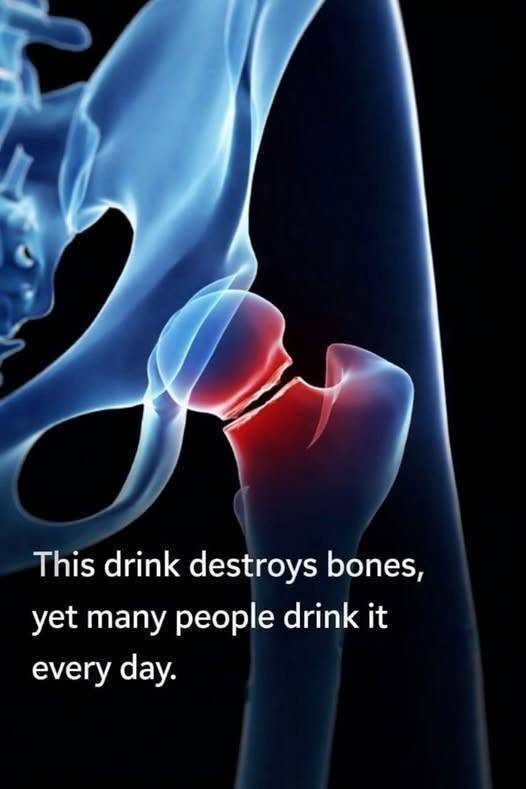
The 5 Worst Drinks for Bone Health: Expert Advice to Help Protect Strong Bones
Why Healthy Beverage Choices Matter for Strong Bones
Strong bones are the foundation of an active and healthy lifestyle, allowing people to move comfortably while reducing the risk of fractures as they age. Although many people focus on eating calcium-rich foods, the beverages they consume every day can also influence their overall bone health. Calcium, vitamin D, magnesium, phosphorus, protein, and other nutrients work together to maintain bone strength, while regular physical activity and healthy habits further support bone density. At the same time, drinking large amounts of beverages high in added sugar, excessive caffeine, or alcohol may gradually reduce diet quality by replacing nutrient-rich drinks that help nourish the skeleton. Health professionals agree that no single beverage will instantly weaken bones, but consistently choosing less nutritious drinks over healthier alternatives can make it harder for the body to maintain optimal bone density. Understanding which drinks deserve moderation allows individuals to make smarter choices that support long-term wellness while still enjoying favorite beverages occasionally. By balancing hydration with proper nutrition, people can take an important step toward protecting their bones throughout every stage of life.
Sugar-Sweetened Soft Drinks and Their Impact on Bone Wellness
Sugar-sweetened soft drinks remain one of the most commonly consumed beverages worldwide, yet they provide very little nutritional value compared with healthier options. Regular sodas are typically loaded with added sugars while offering virtually no calcium, vitamin D, or protein, all of which play essential roles in supporting healthy bones. Drinking these beverages occasionally is unlikely to create major health concerns, but making them a daily habit may replace drinks such as milk or calcium-fortified plant-based beverages that contribute valuable nutrients. Some observational studies have also explored a possible connection between frequent cola consumption and reduced bone mineral density, particularly because cola beverages contain phosphoric acid. Researchers continue to investigate this relationship, and current evidence does not prove that phosphoric acid directly damages bones. Instead, experts believe that individuals who drink large amounts of soda often consume less calcium overall, leading to poorer bone nutrition over time. Choosing balanced dietary habits remains far more important than avoiding any single ingredient, making moderation the key recommendation from nutrition professionals.
Why Too Much Added Sugar May Reduce Diet Quality
One of the biggest concerns surrounding sugary beverages is the amount of added sugar they contribute to the daily diet. Excess sugar intake has been linked to lower overall dietary quality because it often replaces nutrient-dense foods and drinks. Individuals who frequently consume soft drinks may miss opportunities to drink beverages rich in calcium, vitamin D, and protein that actively support bone maintenance. Excessive sugar consumption can also contribute to unwanted weight gain and other health conditions that indirectly affect mobility and physical activity, both of which are important for maintaining strong bones. While enjoying a soda from time to time is perfectly reasonable for most healthy adults, making sugary drinks the primary source of hydration can gradually reduce the intake of essential nutrients needed for skeletal health. Health experts recommend viewing soft drinks as an occasional treat rather than a daily staple, especially for children, teenagers, and older adults who require consistent nutritional support for growing or aging bones.
Better Beverage Alternatives That Help Support Bone Strength
Replacing sugary soft drinks with healthier beverages is one of the simplest ways to improve overall nutrition without making dramatic lifestyle changes. Plain water remains the best choice for daily hydration because it contains no sugar or unnecessary calories while supporting nearly every function in the body. Sparkling water flavored naturally with slices of lemon, lime, cucumber, or berries provides a refreshing alternative for those who enjoy fizzy drinks. Low-fat or fat-free milk supplies calcium, protein, phosphorus, and vitamin D, making it one of the best beverages for maintaining healthy bones. People who prefer dairy-free options can choose calcium-fortified soy milk, almond milk, or oat milk to obtain similar nutritional benefits. Making these substitutions consistently can improve calcium intake while reducing added sugar consumption, creating healthier dietary habits that contribute to stronger bones and better overall wellness throughout life.
Excessive Alcohol Consumption and Bone Density
Alcohol affects many systems within the body, including those responsible for maintaining healthy bones. Research consistently shows that chronic heavy alcohol intake is associated with reduced bone mineral density and an increased risk of osteoporosis. While moderate alcohol consumption does not appear to significantly harm bone health for most healthy adults, excessive drinking over long periods can interfere with several important biological processes involved in bone remodeling. Heavy alcohol use may reduce calcium absorption, disrupt vitamin D metabolism, and slow the activity of osteoblasts, which are specialized cells responsible for building new bone tissue. In addition, excessive alcohol consumption increases the likelihood of falls and injuries, making fractures more common among heavy drinkers. Hormonal balance may also be affected, further reducing the body’s ability to maintain healthy bone mass. Because of these combined effects, limiting alcohol intake remains an important recommendation for individuals who wish to preserve bone strength as they grow older.
Refreshing Alcohol-Free Drinks That Promote Better Health
Reducing alcohol intake does not mean giving up enjoyable beverages. Many alcohol-free alternatives provide excellent flavor while supporting hydration and overall health. Naturally flavored sparkling water offers the refreshing fizz many people enjoy without the risks linked to excessive alcohol consumption. Herbal teas served hot or iced are another satisfying option, offering pleasant flavors without added sugars or caffeine. Fruit-infused water made with oranges, strawberries, mint, cucumber, or lemon creates a naturally refreshing drink suitable for everyday hydration. Individuals looking for festive beverages can also enjoy alcohol-free sparkling drinks that provide the experience of celebration without alcohol-related health concerns. Choosing these options more frequently helps support balanced nutrition while lowering the long-term risks associated with heavy drinking. Combined with healthy eating habits and regular exercise, these beverage choices contribute to improved wellness and better support for healthy bones.
Highly Sweetened Coffee Drinks Deserve Extra Attention
Coffee itself has been extensively studied, and current research suggests that moderate coffee consumption is generally safe for bone health when calcium intake is adequate. The real concern lies with oversized specialty coffee beverages that contain generous amounts of flavored syrups, sweetened creamers, whipped cream, and added sugars. These drinks often contain hundreds of extra calories while contributing very little nutritional value. Large servings may also contain higher levels of caffeine, which can cause a small increase in calcium loss through urine, although this effect appears minimal when calcium intake is sufficient. Nutrition experts emphasize that moderate caffeine consumption alone is unlikely to increase the risk of osteoporosis. Instead, problems arise when sugary coffee beverages become daily habits that replace healthier drinks rich in calcium and protein. By reducing added sugar and selecting more nutritious ingredients, coffee lovers can continue enjoying their favorite beverage without compromising overall dietary quality or bone health.
Smarter Ways to Enjoy Coffee While Supporting Healthy Bones
Making healthier coffee choices allows individuals to enjoy their daily routine while maintaining a balanced diet. Black coffee contains virtually no calories or added sugar and remains an excellent option for those who enjoy the natural taste of coffee. People who prefer creamier beverages can reduce sugar by selecting unsweetened milk instead of flavored creamers. Dairy milk naturally provides calcium and protein, while fortified soy, almond, or oat milk offers nutritious alternatives for those following plant-based diets. Gradually reducing flavored syrups and whipped toppings can significantly decrease daily sugar intake without sacrificing flavor. Preparing coffee at home also provides better control over ingredients and portion sizes, making it easier to create beverages that support overall wellness. Combined with adequate calcium intake from food and beverages, these simple adjustments help maintain a balanced diet that contributes to healthy bones while allowing coffee to remain an enjoyable part of everyday life.
Energy Drinks and Their Effects on Overall Wellness
Energy drinks have become increasingly popular among teenagers, college students, athletes, and busy professionals seeking a quick boost in alertness. While these beverages may temporarily increase energy levels because of their high caffeine content, they are often loaded with added sugars and stimulants that offer little nutritional value. Consuming energy drinks occasionally may not cause significant problems for healthy adults, but frequent intake can make it more difficult to maintain healthy eating and hydration habits. Many varieties contain caffeine levels far exceeding those found in a standard cup of coffee, and regularly consuming multiple servings can easily push daily caffeine intake beyond recommended limits. Excessive caffeine may contribute to poor sleep quality, nervousness, and dehydration in some individuals, all of which can indirectly affect overall health and recovery. Since healthy bones rely on balanced nutrition, adequate rest, and regular physical activity, replacing nutrient-rich beverages with energy drinks every day is not considered a wise long-term strategy for supporting bone health.
Why High-Caffeine and High-Sugar Energy Drinks Should Be Limited
The combination of excessive caffeine and added sugar makes many commercial energy drinks less suitable for daily consumption. Large amounts of caffeine can disrupt normal sleep patterns, and quality sleep plays an important role in tissue repair, hormone regulation, and overall wellness. In addition, many energy drinks contain significant amounts of sugar that increase calorie intake without providing vitamins, minerals, or protein needed for healthy bones. Choosing these beverages regularly may also reduce the likelihood of drinking milk, fortified plant-based beverages, or plain water that contribute valuable nutrients and hydration. Health professionals particularly encourage adolescents and young adults to limit energy drink consumption because their developing bodies require balanced nutrition rather than stimulants. While an occasional energy drink is unlikely to cause permanent harm, making it a daily habit can interfere with healthy lifestyle choices that support strong bones and long-term health.
Healthier Drinks That Provide Natural Energy
People looking for a natural energy boost have several healthier beverage options that support hydration and overall nutrition. Green tea offers a moderate amount of caffeine along with naturally occurring antioxidants that may contribute to overall wellness. Unsweetened iced tea provides refreshing flavor while avoiding excessive added sugar. Coconut water without added sweeteners supplies electrolytes that help maintain hydration, especially after light physical activity. Water infused with citrus fruits, berries, cucumber, or fresh herbs creates a flavorful alternative to sugary beverages while encouraging consistent hydration throughout the day. Homemade smoothies prepared with yogurt, milk, or calcium-fortified plant-based beverages combine protein, vitamins, and minerals with natural fruit sweetness, making them an excellent choice for sustained energy. These beverages provide more balanced nutrition than energy drinks while helping individuals avoid excessive caffeine and unnecessary sugar.
Sugary Fruit Drinks Are Not Always as Healthy as They Appear
Many fruit-flavored beverages are marketed as healthy choices because their packaging features colorful fruit images and claims of natural flavor. However, many of these products contain only a small percentage of real fruit juice while relying heavily on added sugars, artificial flavors, and sweeteners. Although they may taste refreshing, these beverages generally provide far fewer nutrients than whole fruit and often lack meaningful amounts of calcium, protein, and fiber. Drinking sweetened fruit beverages regularly may reduce the intake of healthier drinks that better support bone health and overall nutrition. Whole fruits naturally contain vitamins, minerals, antioxidants, and dietary fiber that contribute to better digestive health and longer-lasting satisfaction. By comparison, sugary fruit drinks typically provide extra calories with fewer health benefits. Choosing whole fruit or beverages made primarily from nutritious ingredients is a smarter way to support both bone health and overall well-being.
Better Alternatives to Sugary Fruit Beverages
Replacing sweetened fruit drinks with more nutritious choices can improve dietary quality while still satisfying the desire for fruity flavors. Fresh whole fruit remains one of the healthiest options because it supplies natural sugars together with fiber, vitamins, minerals, and antioxidants. Drinking 100% fruit juice in moderate portions can also be part of a balanced diet, although whole fruit is generally the better choice due to its higher fiber content. Smoothies prepared at home using yogurt, low-fat milk, or calcium-fortified plant-based milk provide calcium, protein, and essential nutrients while allowing complete control over sugar content. Water remains the ideal beverage for hydration, especially when flavored naturally with slices of fruit. Homemade fruit and vegetable smoothies also offer an easy way to increase nutrient intake while supporting healthy bones and overall wellness. These alternatives help replace empty calories with nourishing ingredients that contribute to a healthier lifestyle.
Is Sparkling Water Safe for Bone Health?
Many people mistakenly believe that all carbonated beverages weaken bones because they associate sparkling water with soft drinks. Fortunately, current scientific research does not support this belief. Plain sparkling water without added sugar or artificial sweeteners has not been shown to reduce bone density or increase the risk of osteoporosis. Unlike sugar-sweetened sodas, sparkling water contains no added sugars and does not replace important nutrients when consumed as part of a balanced eating pattern. For individuals who enjoy fizzy beverages, plain carbonated water with fresh lemon, lime, berries, or cucumber offers a refreshing alternative to traditional soft drinks. Choosing sparkling water instead of sugary soda can even help reduce overall sugar intake while maintaining proper hydration. As long as individuals continue consuming enough calcium, vitamin D, and other essential nutrients, plain sparkling water can safely be included in a bone-friendly diet.
Bone-Friendly Drinks That Deserve a Place in Your Daily Routine
Supporting strong bones begins with choosing beverages that supply nutrients essential for bone formation and maintenance. Low-fat or fat-free milk remains one of the best choices because it naturally contains calcium, protein, phosphorus, and is often fortified with vitamin D. Calcium-fortified soy milk provides comparable nutrition for individuals avoiding dairy products, while fortified almond milk and oat milk also contribute calcium when properly fortified. Plain kefir offers beneficial probiotics together with calcium and protein that support digestive and bone health. Yogurt-based smoothies prepared with little or no added sugar provide a delicious way to combine protein, calcium, and fruit into one satisfying beverage. Green smoothies made with leafy vegetables and fortified dairy or plant-based milk further increase vitamin and mineral intake. Alongside these nutritious options, plain drinking water continues to play a vital role in hydration and overall body function. Incorporating these beverages regularly creates a solid nutritional foundation for maintaining healthy bones throughout life.
Lifestyle Habits That Help Protect Bone Density
Healthy bones depend on much more than choosing the right beverages. A balanced lifestyle combining nutritious eating, regular physical activity, and healthy daily habits offers the greatest protection against age-related bone loss. Consuming calcium-rich foods every day ensures the body has the building blocks needed for strong bones, while adequate vitamin D obtained through safe sunlight exposure, fortified foods, or supplements supports efficient calcium absorption. Weight-bearing activities such as walking, jogging, dancing, hiking, resistance training, and strength exercises stimulate bone remodeling and help preserve bone density. Adequate protein intake also contributes to maintaining healthy bones and muscles, reducing the likelihood of falls and fractures. Avoiding smoking, limiting excessive alcohol consumption, maintaining a healthy body weight, and staying physically active throughout life further strengthen the body’s natural ability to support skeletal health. When these habits are practiced consistently, they significantly reduce the long-term risk of osteoporosis while promoting mobility, independence, and overall quality of life.
Important Notes for Maintaining Healthy Bones
Maintaining strong bones requires consistency rather than perfection. Enjoying a soft drink, specialty coffee, or sweet beverage occasionally is unlikely to damage bone health in healthy adults. The greatest concern arises when nutrient-poor beverages replace calcium-rich and protein-rich drinks on a regular basis. Focusing on variety, moderation, and balanced nutrition provides the greatest long-term benefit. Individuals with osteoporosis, low bone density, chronic medical conditions, or special dietary needs should consult a healthcare professional or registered dietitian for personalized recommendations. Parents should also encourage children and teenagers to develop healthy beverage habits early in life because bone mass built during youth provides a strong foundation for adulthood. Small improvements made today can have lasting effects on bone strength decades later.
Common Questions About Bone Health and Beverages
Many people ask whether coffee causes osteoporosis. Current evidence indicates that moderate coffee consumption alone is unlikely to increase osteoporosis risk when calcium intake is adequate. Another common question concerns cola beverages. Some observational studies have found a stronger association between frequent cola consumption and lower bone mineral density compared with non-cola soft drinks, but researchers believe overall dietary habits and lower calcium intake likely contribute to these findings. People also frequently wonder whether sparkling water weakens bones, and current research shows that plain unsweetened sparkling water does not negatively affect bone health. Adults generally require approximately 1,000 to 1,200 milligrams of calcium daily, depending on age and sex, while sufficient vitamin D is equally important because it helps the body absorb and use calcium effectively. Combining these nutrients with healthy lifestyle habits remains the most reliable strategy for maintaining strong bones throughout life.
The 5 Worst Drinks for Bone Health: Expert Tips to Protect Strong Bones and Support Healthy Aging
Description
Strong bones require more than just calcium supplements. Your everyday beverage choices can influence your overall diet and affect the nutrients your body needs to maintain healthy bones. While no single drink will instantly weaken bone strength, regularly consuming beverages high in added sugar, excessive caffeine, or alcohol may reduce your intake of calcium, vitamin D, protein, and other nutrients that support bone health. This guide explains five drinks that health experts recommend limiting, highlights healthier alternatives, and shares practical habits that can help lower the risk of osteoporosis while supporting lifelong bone strength.
Preparation & Reading Duration
Preparation Time: 10 minutes
Reading Time: Approximately 10–12 minutes
Total Time: About 20–22 minutes
Serving
Servings: Informational guide suitable for all adults interested in improving bone health.
Ingredients
Since this is a health education article rather than a cooking recipe, the following “ingredients” represent the key beverages and healthier alternatives discussed.
Beverages to Limit
- Sugar-sweetened soft drinks
- Cola beverages
- Excessive alcoholic beverages
- Highly sweetened specialty coffee drinks
- Energy drinks
- Sugary fruit-flavored beverages
Healthier Beverage Choices
- Plain drinking water
- Sparkling water with fresh lemon or lime
- Low-fat or fat-free milk
- Calcium-fortified soy milk
- Calcium-fortified almond milk
- Calcium-fortified oat milk
- Black coffee
- Coffee with less added sugar
- Unsweetened latte made with dairy milk
- Coffee prepared with fortified plant-based milk
- Herbal tea
- Green tea
- Unsweetened iced tea
- Fruit-infused water
- Coconut water without added sugar
- Plain kefir
- Yogurt smoothies with little or no added sugar
- Homemade fruit smoothies
- Homemade fruit and vegetable smoothies
- Fresh whole fruit
- 100% fruit juice in moderation
Step-by-Step Guide
Step 1: Evaluate Your Daily Beverage Habits
Review the drinks you consume throughout the day. Identify beverages high in added sugar, excessive caffeine, or alcohol that may be replacing healthier options.
Step 2: Reduce Sugary Soft Drinks
Limit sugar-sweetened sodas and cola beverages. Replace them with water, sparkling water, or calcium-rich drinks whenever possible.
Step 3: Drink Alcohol Responsibly
If you consume alcohol, do so in moderation. Avoid excessive intake, which may interfere with calcium absorption and normal bone remodeling.
Step 4: Make Smarter Coffee Choices
Choose black coffee or coffee with minimal added sugar. When possible, prepare coffee with low-fat dairy milk or calcium-fortified plant-based milk.
Step 5: Cut Back on Energy Drinks
Reduce energy drink consumption, especially those containing high levels of caffeine and added sugars. Select naturally hydrating beverages instead.
Step 6: Replace Sugary Fruit Drinks
Swap fruit-flavored sugary beverages for whole fruit, homemade smoothies, or moderate portions of 100% fruit juice.
Step 7: Stay Properly Hydrated
Drink plenty of water throughout the day to support overall health and normal body functions.
Step 8: Increase Bone-Supporting Nutrients
Include beverages rich in calcium, vitamin D (when fortified), and protein to help maintain healthy bone density.
Step 9: Support Bone Health with Lifestyle Habits
Combine healthy beverage choices with regular weight-bearing exercise, adequate protein intake, sufficient vitamin D, smoking avoidance, and maintaining a healthy body weight.
Step 10: Practice Balance and Moderation
Remember that no single beverage determines bone health. Consistently making healthier choices while enjoying less nutritious drinks occasionally is the most sustainable approach.
Nutritional Information
Nutritional Note
This article is educational and does not represent the nutritional values of a single recipe. Nutritional content varies depending on the beverages selected.
Bone-Friendly Nutrients Highlighted
- Calcium
- Vitamin D (fortified beverages)
- Protein
- Magnesium
- Potassium
- Phosphorus
- Probiotics (from kefir and yogurt drinks)
- Antioxidants (from green tea and fruits)
Nutrients and Ingredients to Limit
- Added sugars
- Excess calories
- Excess caffeine
- Excess alcohol
- Artificially sweetened sugary beverages consumed in large amounts
Notes
- Plain sparkling water has not been shown to weaken bones and is a healthier alternative to sugary soft drinks.
- Moderate coffee consumption is generally considered safe when calcium intake is adequate.
- Heavy alcohol consumption is associated with lower bone mineral density and a higher risk of osteoporosis.
- Whole fruits provide more fiber and nutrients than most fruit-flavored beverages.
- Calcium-fortified dairy and plant-based beverages can help meet daily calcium requirements.
- Healthy bones are supported by balanced nutrition, regular exercise, adequate vitamin D, and an overall healthy lifestyle rather than any single food or drink.
About the Author